Hard Work. Higher Purpose.
A Vision for Rebuilding Trust at Dear Old Nebraska U
Brent Comstock
Candidate for University of Nebraska Board of Regents – District 1

When Nebraska is aligned and competing at a high level, we are positioned to win.
But recent decisions, on campus and systemwide, have created real concern for Nebraskans. From the chancellor buyout package to program cuts across the system, too many decisions have left students, faculty, and taxpayers with more questions than answers and too little clarity about what comes next. At best, there is confusion. At worst, there is a breakdown of trust across the shared governance structures that make a university strong.
In conversations with voters, faculty, staff, and students across our community, a consistent theme emerges: trust has eroded, and people want clarity, accountability, and a plan. Trust isn’t built through titles or talking points. It isn’t claimed. It’s earned by showing up, listening, and following through, consistently.
In any organization, public or private, trust is built through clear goals, measurable outcomes, and disciplined follow-through.
The role of a Regent is not to inject politics into day-to-day operations or turn governance into a political exercise. It is to ensure the system is accountable to its students, its taxpayers, and its future, while respecting shared governance, where faculty, administrators, and the Board each play a clear role.
At its core, this comes down to accountability. Here at home, across the state, and in how we compete nationally.

Local Accountability: Show Up and Report Back
Accountability starts with showing up.
Board members should commit to regular, public-facing engagement, including quarterly town halls for their respective districts, held both in person and online, where they report on decisions, budgets, and outcomes like enrollment, retention, and job placement.
Shared governance depends on communication and collaboration. Faculty, staff, and students should not hear about major decisions after the fact. If programs are being cut or restructured, the reasoning must be clearly communicated in advance.
Transparency must be standard practice, not damage control. That is the baseline of trust.
Statewide Accountability: Alignment Tied to Results
The University sits at the center of Nebraska’s workforce, economy, and future.
A coordinated effort must bring together University leadership, legislators, and industry partners around measurable goals and outcomes. That effort must produce a clear, public scorecard that includes enrollment growth, research funding, and how effectively degrees translate into careers here in Nebraska.
Those benchmarks already exist in pieces. They need to be brought together, made public, and used to guide decisions.
Just as important, results must be tied to resources. If the University delivers measurable growth in enrollment, research, and workforce outcomes, increased state investment should follow.
That is what real accountability looks like: clear expectations, measurable performance, and alignment between results and taxpayer dollars.
National Accountability: Compete and Grow
Reactive cuts cannot substitute for long-term strategy.
The University must publish a 10-year public roadmap that clearly outlines where it intends to compete and win. That includes growing high-demand programs, recruiting more out-of-state and international students, expanding research partnerships, and making disciplined decisions regarding underperforming programs.
A competitive University must also protect academic freedom. The ability to teach, research, and innovate without partisan interference is essential to attracting top talent and maintaining credibility.
This roadmap must be public, measurable, and updated annually.
At the national level, the question is simple: are we growing, or are we falling behind?
What This Means for Lincoln
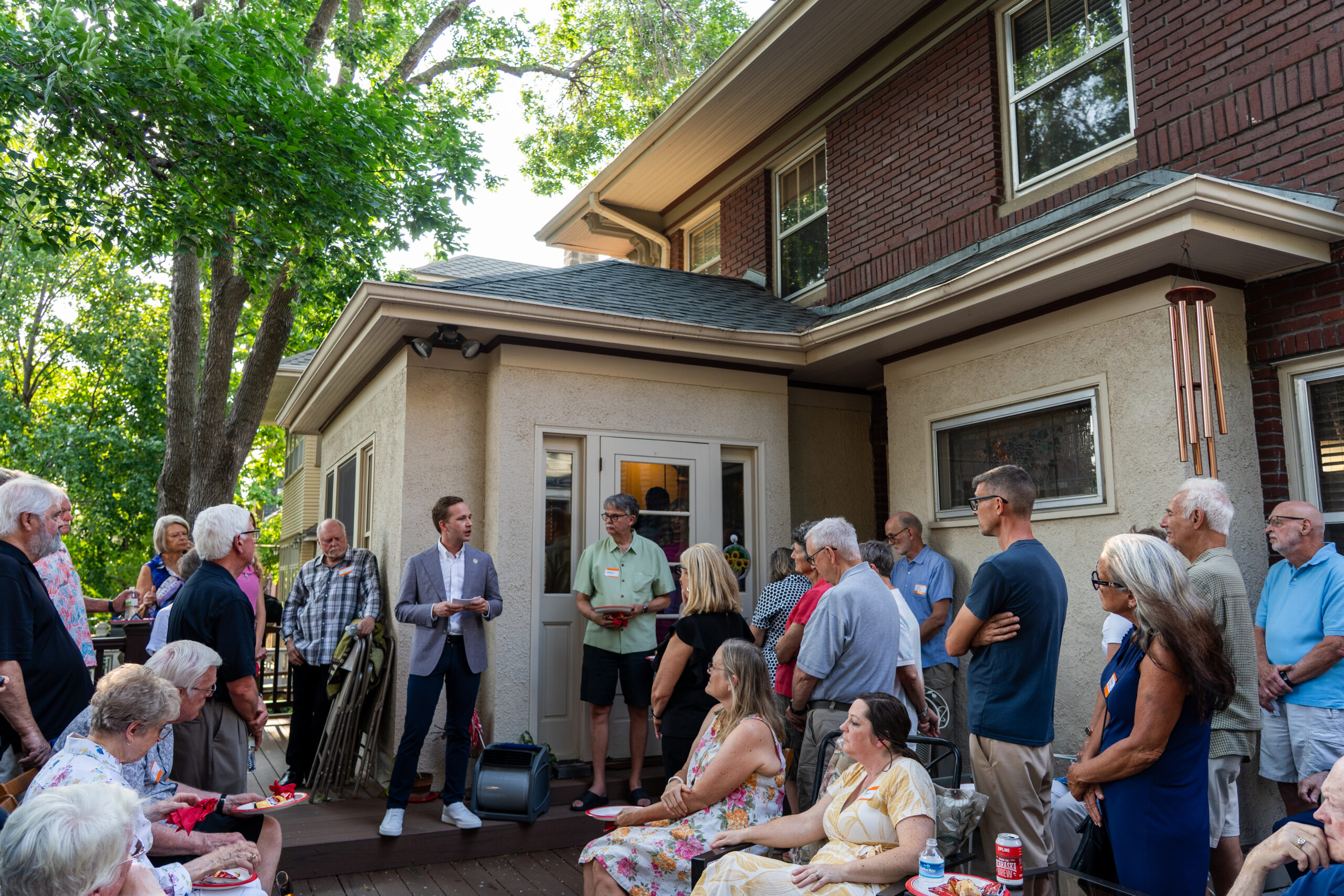
Here in Lincoln, the University is more than a campus. It is an economic engine, a source of pride, and a pathway to opportunity for thousands of families.
It is our responsibility to sustain and grow this standard.
Keeping tuition predictable.
Ensuring graduates can find good-paying jobs here at home.
Making decisions that strengthen both the University and the community it serves.
When a $27.5 million shortfall appears without clear communication, it affects jobs, programs, and trust. Nebraskans deserve better.
This moment calls for leadership focused on the work itself, not the next title, not the next step, but doing the work and getting results.
We have a choice.
We can continue reacting to problems, or we can lead with a clear plan for growth and accountability. When the University is aligned with the needs of our state and the ambitions of our students, we do more than maintain what we have. We expand it.
Nebraska has never shied away from hard work. Pair that with a higher purpose and a clear standard of accountability, and we can rebuild trust and position the University of Nebraska to fulfill its potential.