

A tuition bill has no party labels. Neither do the university's challenges.
Brent Comstock
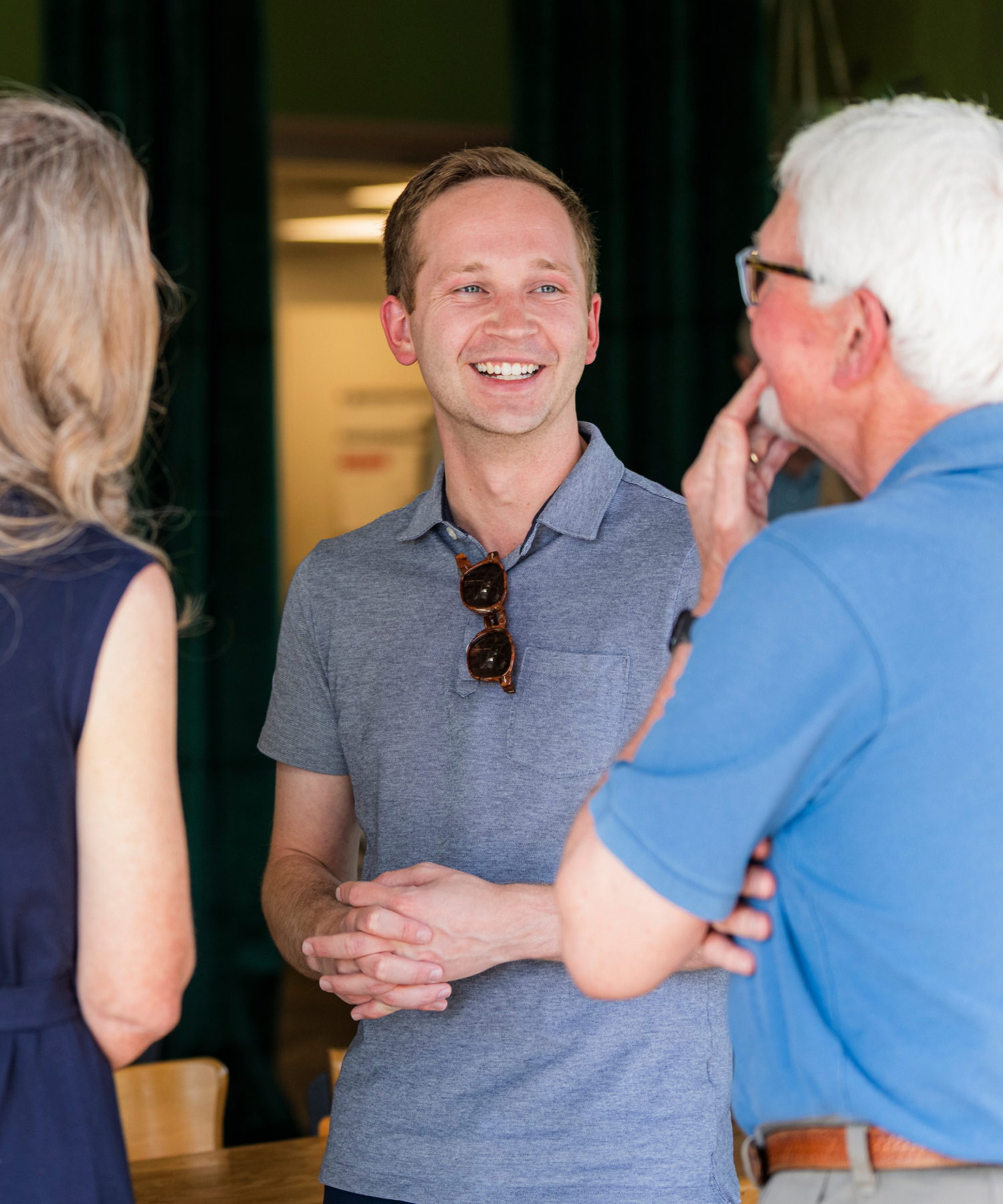
Candidate for University of Nebraska Board of Regents – District 1
A tuition bill does not have a party label. Neither does a vacant faculty or staff position, an employer struggling to hire an engineer or a rural community trying to keep its next generation close to home.
These are practical problems. They require serious people willing to solve them.
The University of Nebraska faces consequential decisions about affordability, enrollment, academic excellence, research, workforce needs and public trust. UNL, our state’s flagship campus, will soon welcome a new chancellor. Budget pressures will force difficult choices. Families are questioning whether college will remain within reach, while our employers wonder whether they will find the people they need to grow.
Campaigning often rewards the loudest argument. Governing requires something different: listening carefully, asking hard questions, making decisions and accepting responsibility for the results.
Over the course of this campaign, I have participated in countless meetings and conversations with students, faculty, staff, business owners, community leaders and families across Lincoln and Lancaster County. People do not agree on everything, nor should they. But their concerns are consistent:
They want an affordable university and a Nebraska degree that carries real value. They want excellent faculty and staff, world-class research and a flagship campus that competes with the best public universities in the country. They want graduates to build their futures here. And they want public dollars managed responsibly.
If elected, I will apply four straightforward tests to major university decisions.
01
Will this keep a university education affordable?
Tuition should be the last lever pulled, not the first. Before asking families to pay more, regents should examine administrative efficiencies, low-value operational spending and new sources of revenue. We should also make tuition more predictable and expand scholarship partnerships for Nebraska students.
02
Will this strengthen academic excellence?
Budget discipline cannot mean hollowing out the student experience or continually asking faculty and staff to do more with less. Nebraska must recruit and retain excellent people, protect academic freedom and give the next UNL chancellor a mandate to rebuild trust.
That includes respecting shared governance. This does not mean avoiding clear lines of authority or difficult decisions. It means recognizing that decisions are stronger when students, faculty and staff are heard early and honestly.
03
Will this create greater opportunity for Nebraska?
The university needs a long-term academic and financial roadmap tied to our workforce needs. That includes stronger internship-to-career partnerships, targeted enrollment growth and a more deliberate effort to turn university research and innovation into Nebraska jobs and businesses.
It also means recommitting to our land-grant mission. The university belongs to all of Nebraska. Through teaching, research, Extension and statewide partnerships, it should help solve real problems for farmers, businesses, families and communities. That means a strong system: UNL, our flagship in Lincoln; strong campuses in Omaha, Kearney and Curtis; and a world-class medical center. Together, they should attract talent, drive research and expand opportunity.
04
Finally, can the public measure the result?
Regents should establish a public scorecard tracking enrollment, affordability, graduation, research and job placement. They should hold regular public town halls and explain significant budget and restructuring decisions before, not after, they are made.

A regent should never be a rubber stamp for the administration. But the office should not become a political platform, either.
The job is to ask good questions, listen to people with experience, make difficult decisions in public and own the outcome. There will always be an invitation to drag the political fight of the week into the boardroom. I will decline it. That does not mean avoiding difficult subjects. It means approaching them through facts, the law and the university’s mission, while treating people with dignity.
I was raised in Auburn by a plumber and a public school teacher. A four-year degree opened doors for me; I want Nebraska students to have that same opportunity. My parents taught me that when something matters, you show up, understand the problem and finish the job. I carried that lesson into building a company in Lincoln, creating jobs and working across political differences.
I am not running to represent one political faction. I am running to serve students, faculty, staff, families and taxpayers across District 1.
The University of Nebraska can be affordable, excellent, innovative and accountable. Getting there will require hard decisions, honest measurements and consistent follow-through. It will require a Regent willing to do the work.
That is what I am running to do.